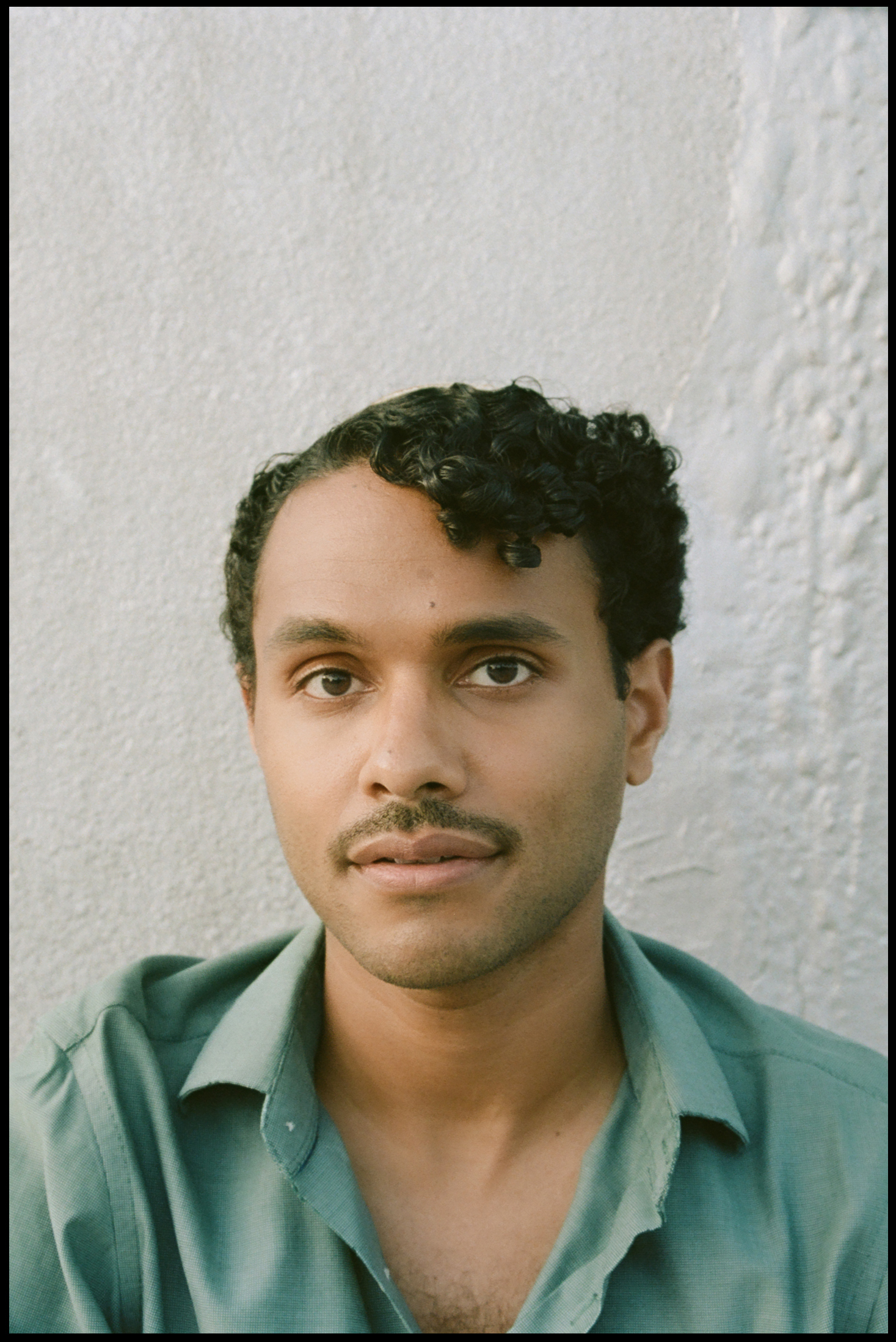
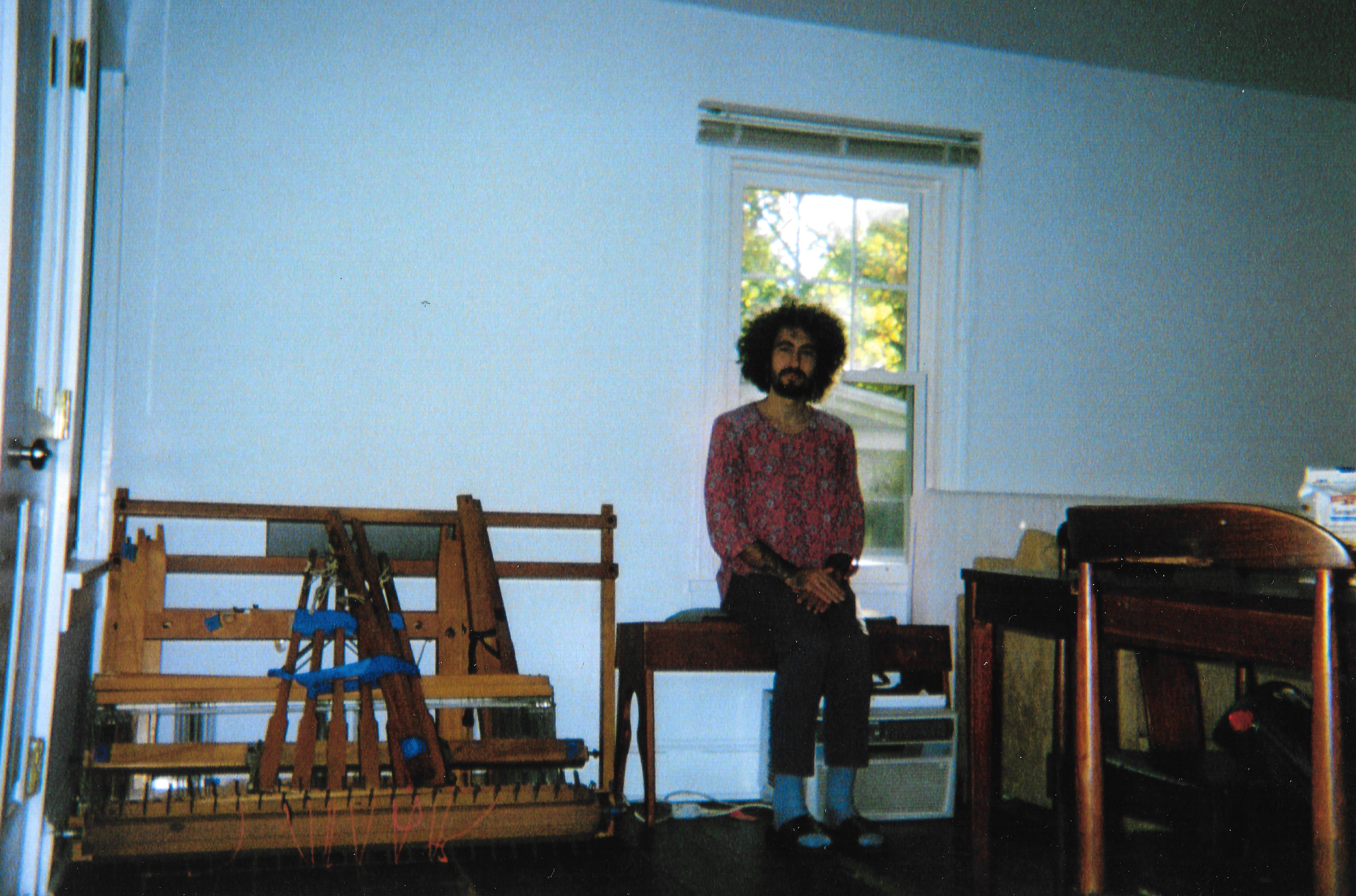
Selo Uguzes has studied physics, architecture, and the humanities. Exiled from Türkiye in 2021 for participating in the student resistance at Boğaziçi University, Selo returned this past summer to devote themself to weaving and gardening on a family property in Uşak, Türkiye. We talked kilim and halı (rugs and carpets), resistance, homesickness, and what it means to be an “artist.”
YENSEN STARR-LEBEAU: I remember having a conversation with our mutual friend H. about when they were getting arrested in Istanbul. It was the first time they felt confident saying, “I'm an artist.”
SELO UGUZES: We were part of the same trial. We left Türkiye together. At the beginning of 2021, President Erdoğan appointed a rector to the Boğaziçi University in which I was a former student. Rectors are normally elected by professors in Türkiye, so this was an attempt to increase state control over the university through top-down appointment.
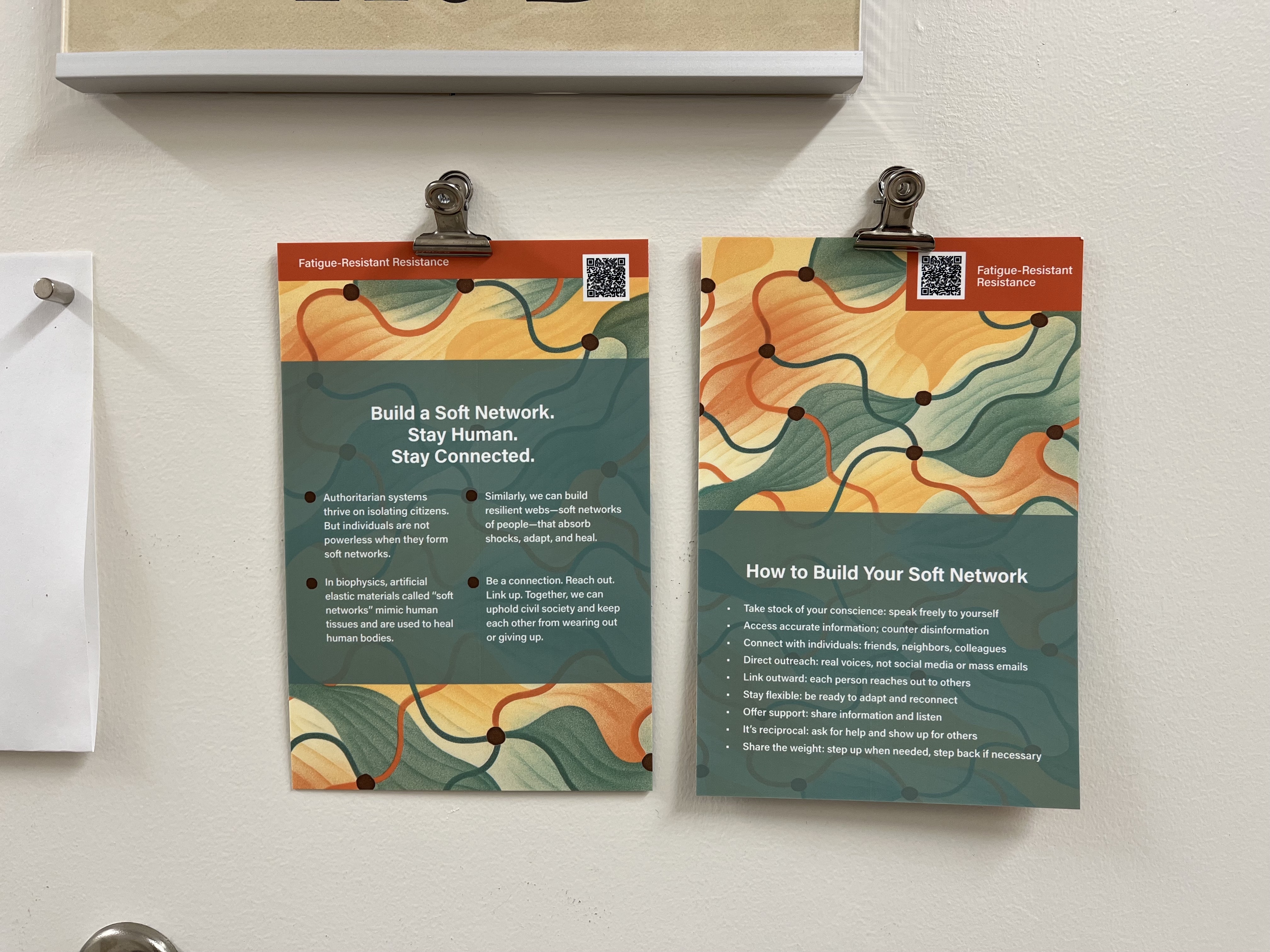
Traditional protests were criminalized, so we tried to find ways around it. In the neighborhood of the university, political banners were banned, so we decided we would do an “art exhibition.” Instead of “banners” we would call them “artworks.” We collected around 300 illustrations, drawings, and digital materials with an open call and tried to print as many as we could.
We organized a march on campus with the “artworks,” occupied the walls of the rectorate building, organized concerts, stand-up shows, dj sets, performances, and more to reclaim the university. Even just having fun can be political if it is being oppressed. The so-called “exhibition” was a big thing, so, maybe even before I would call myself an artist, other people called us artists.
They were looking for people to punish and make an example of. One of the artworks we displayed, from an anonymous artist, put LGBTQI+ flags and Kaaba, the sacred place for Muslims, together. We were arrested over “incitement of hatred.” I spent 47 days in an isolation cell in Metris prison, and was released after the first hearing. This is a common practice in Türkiye, so they can punish you right away, even if you are innocent. After 4.5 years, we were acquitted from the accusations.

Now you’re back in your hometown practicing weaving. What’s it like?
When I was studying in Germany, I wasn’t able to come back to Türkiye. We have a specific word for it in Turkish: when you’re in gurbet. Similar to homesickness. In Berlin I was hoping to finally live in a house on my own. It never happened. I moved four times in a year.
Recently I saw a kilim from my family, one that my grandmother ordered for my parents’ marriage, woven by a distant family member. The most distinct features of that carpet for me are the colors: dark green, dark red, and that specific yellow. Somehow these colors remind me of my hometown. In the process of dyeing yarn, usage of these colors is specific to natural plants and materials found in the area.
There’s no way to make a home without a carpet. You leave your shoes, you can sit on the ground, fall asleep on the ground. Before starting to weave, I knew there were some carpets in my family from my father’s grandmother—but later I learned that my grandmother, aunts, and even my mother wove carpets, and my grandfather was working in a weaving factory! He always said that we’re from Yörük people, who still practice a Nomadic lifestyle in Türkiye. They live in tents. And those are usually woven tents—usually made from goat hair.
Tell me more about that connection.
My grandfather never witnessed the Yörük lifestyle, and neither did I, but for example, when I was 40 days old they covered me in honey, because the belief is that it makes you healthy and sweet. We have all these old traditions, or certain words which I used to think were used by everyone in Türkiye, and only later in life realized they were specific to Yörük people.
My grandfather is very obsessed with herbal medicine. And when we were kids he had a secret powder—he learned it from someone in the mountains, so very secret. I think of him as the healer and shaman of the family, and he’s also my main connection to my Yörük roots. Now he’s dead, and I have his name, so I will be the next one.
If I call myself an artist, I am.
Your work covers a lot of mediums, both artistically and politically. How would you describe your artistic identity?
You don’t have to be a dancer to dance. I call myself artist as much as I call anybody “artist.” During my studies in Berlin, I created Autonomous Zone, a student-run space on my campus outside of administrative control. The aim was to experience how artistic and cultural production can flourish in a non-hierarchical environment, and it was also a political effort. If you put something into “proper” language then it can be in a museum, but I think you don’t need to follow the institutional framework—anything already is art. If I call myself an artist, I am.